Building a Reliable Business Data Networking System

Updated: Aug 4

Imagine your business as a bustling city. Roads, bridges, and highways connect every building, allowing people and goods to move smoothly. Now, think of your business data network as those vital roads and bridges, carrying information instead of cars. Without a solid network, your business traffic jams, delays, and crashes become inevitable. So, how do you build a reliable data network that keeps your business humming like a well-oiled machine? Let’s dive in!
Why Business Data Networking Matters More Than You Think
You might be wondering, "Is my business data network really that important?" The short answer: absolutely! Your network is the backbone of your daily operations. It connects your computers, phones, servers, and even security systems. When it works well, everything flows seamlessly. When it doesn’t, you’re stuck with slow connections, dropped calls, and frustrated employees.
Think about it: every email you send, every file you share, and every video call you make depends on your network. If your network is unreliable, your productivity takes a hit. Customers get annoyed. And worst of all, your business reputation can suffer.
Here’s why investing in a strong business data networking system is a smart move:
Improved Efficiency: Fast, reliable connections mean less waiting and more doing.
Enhanced Security: A well-designed network protects your sensitive data from cyber threats.
Scalability: As your business grows, your network can grow with you.
Cost Savings: Avoid costly downtime and expensive emergency fixes.
So, building a reliable network isn’t just about technology—it’s about keeping your business running smoothly and your customers happy.

Key Components of Business Data Networking You Should Know
Building a network might sound like assembling a giant puzzle, but it’s easier when you know the pieces. Here are the essential components you’ll want to focus on:
1. Network Infrastructure
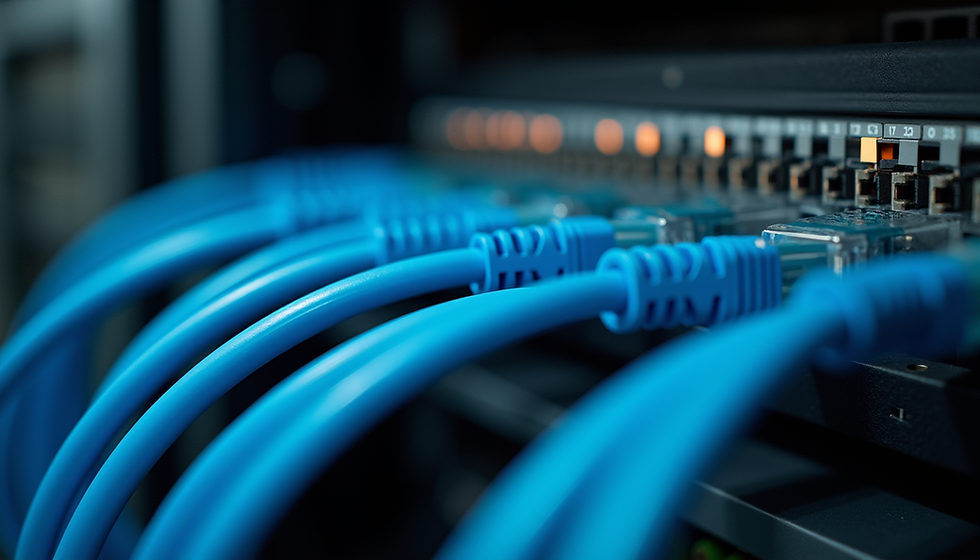
This is the physical stuff: cables, switches, routers, and wireless access points. Think of it as the roads and bridges of your network city. Using high-quality equipment ensures your data travels fast and safely.
Ethernet cables: Cat6 or higher for faster speeds.
Switches: Manage traffic between devices.
Routers: Connect your network to the internet.
Wireless Access Points: Provide Wi-Fi coverage.
2. Network Design
A good design is like a city planner’s blueprint. It ensures traffic flows smoothly and avoids bottlenecks. Consider:
Segmentation: Divide your network into smaller parts to improve performance and security.
Redundancy: Have backup routes so if one path fails, data still gets through.
Scalability: Plan for future growth.
3. Security Measures
Your network is a treasure chest of valuable data. Protect it with:
Firewalls: Block unauthorized access.
Encryption: Scramble data so only authorized users can read it.
Access Controls: Limit who can enter different parts of the network.
Regular Updates: Keep software and hardware patched against vulnerabilities.
4. Monitoring and Maintenance
Networks need TLC. Use monitoring tools to spot issues before they become disasters. Schedule regular maintenance to keep everything running smoothly.
By focusing on these components, you’re laying a strong foundation for your business data network.
What is an example of a data network?
You might be curious about what a real-world data network looks like. Let’s break it down with a simple example.
Imagine a small office with 20 employees. Each person has a computer, a phone, and access to a shared printer. The office also has a server that stores files and runs business applications.
Here’s how the data network connects everything:
Wired connections: Most computers connect to the network using Ethernet cables plugged into switches.
Wireless connections: Mobile devices and laptops connect via Wi-Fi access points.
Router: The router connects the office network to the internet.
Firewall: Protects the network from outside threats.
Server: Central hub for storing and sharing files.
This setup allows employees to share files, access the internet, and communicate seamlessly. If the network is reliable, everyone stays productive. If not, frustration builds fast.

Tips for Building a Reliable Business Data Network
Ready to roll up your sleeves? Here are some practical tips to help you build a network that won’t let you down:
1. Start with a Plan
Don’t just buy equipment on a whim. Assess your current needs and future goals. How many devices will connect? What kind of data will you handle? Will you need remote access? Answering these questions helps you design a network that fits your business like a glove.
2. Invest in Quality Equipment
Cheap cables and routers might save money upfront but can cause headaches later. Choose reputable brands and equipment that supports the latest standards. It’s like buying a sturdy car instead of a clunker.
3. Prioritize Security
Cyber threats are real and growing. Implement strong passwords, firewalls, and encryption. Train your team on safe internet habits. Remember, your network is only as strong as its weakest link.
4. Use Professional Help
Building a network can be complex. Don’t hesitate to call in experts who understand the ins and outs of business data networking. They can help you avoid costly mistakes and tailor a solution to your needs.
5. Keep It Flexible
Technology changes fast. Design your network so it can adapt. Modular equipment and scalable designs make upgrades easier and less disruptive.
6. Monitor and Maintain
Set up monitoring tools to catch issues early. Schedule regular check-ups and updates. Think of it as regular oil changes for your network engine.
By following these tips, you’ll create a network that supports your business today and tomorrow.
Keeping Your Business Connected and Secure
Building a reliable business data network is like planting a tree. It takes time, care, and the right conditions to grow strong. But once established, it provides shade, shelter, and fruit for years to come.
Remember, your network is more than just cables and devices. It’s the lifeline of your business operations. Investing in a solid network means fewer headaches, happier employees, and satisfied customers.
If you’re in West Michigan or Northern Indiana and want to simplify your technology, consider partnering with a local expert who understands your unique needs. Together, you can build a network that’s reliable, secure, and ready for the future.
So, are you ready to build your business’s digital highway? The road to success starts with a strong, reliable network!
Conclusion
In conclusion, your business data network is essential for smooth operations. It connects everything, from emails to video calls. By investing in a robust network, you ensure efficiency, security, and scalability. Remember to plan carefully, invest in quality, and prioritize security. With the right approach, your network will support your business for years to come. Let’s get started on building that digital highway today!

Comments